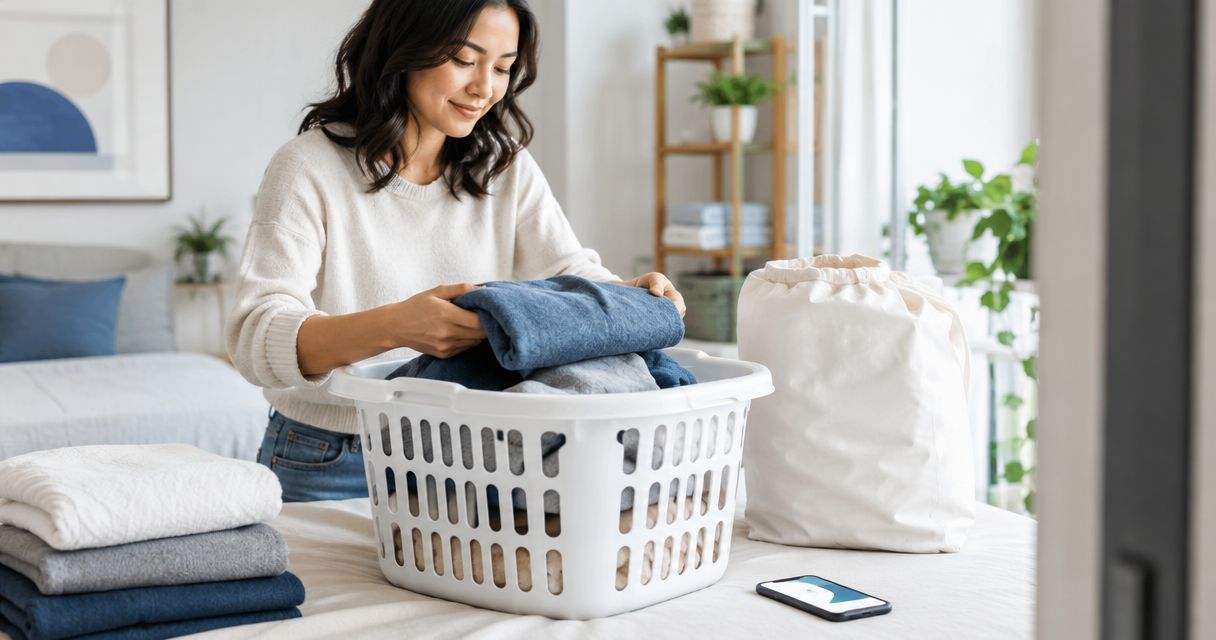
Prepare laundry for pickup and delivery by checking care labels, emptying pockets, setting aside unsuitable items, and securing accepted laundry in the packaging your provider requests. Before collection, send any care instructions and confirm where the driver should collect the bags; businesses should also identify the towel batch and keep enough clean stock for operations until the return.
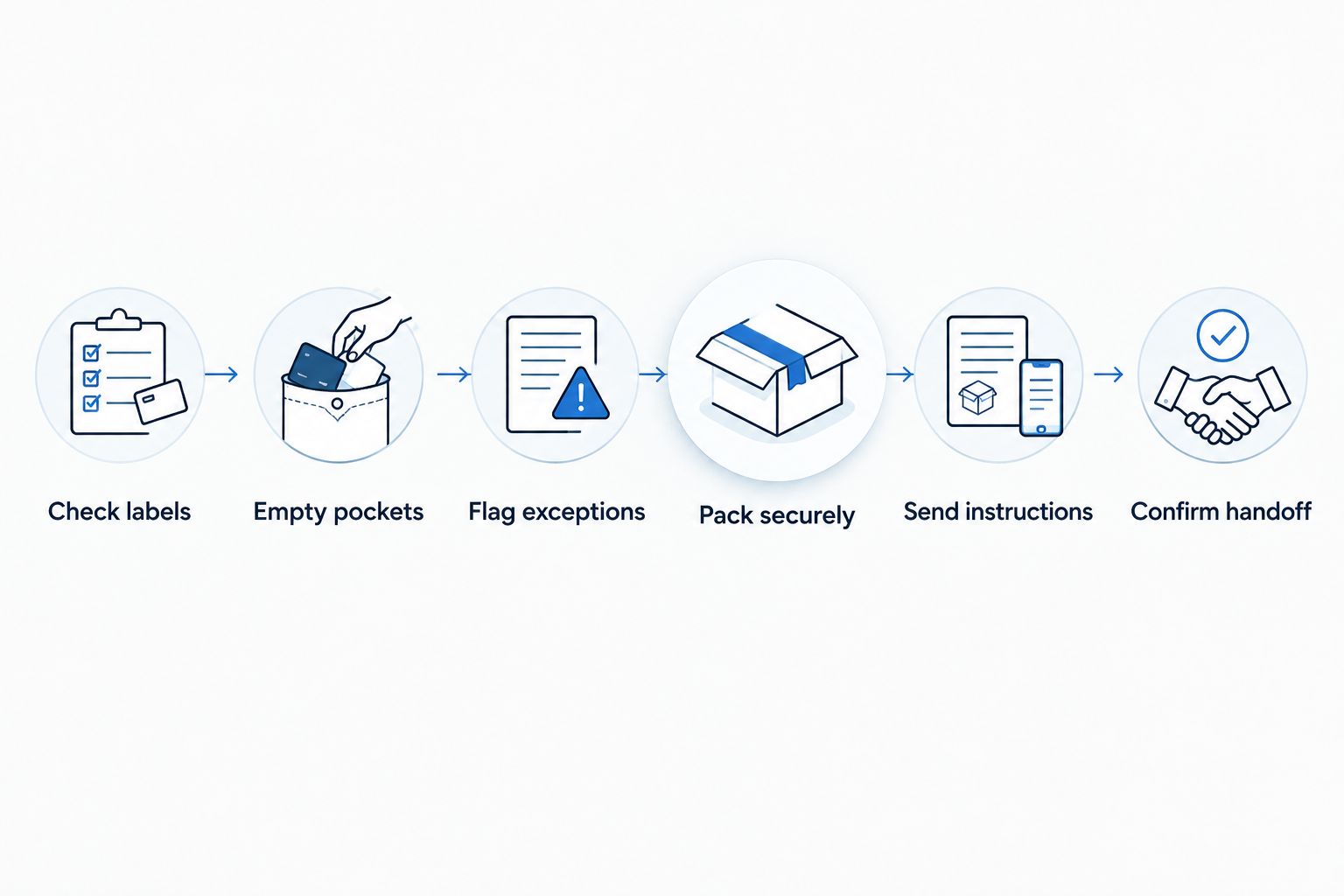
- How to prepare laundry for pickup and delivery: check labels, empty pockets, pack securely, and confirm the handoff.
- Keep dry-clean-only clothing and unapproved specialty items out of ordinary wash-and-fold bags.
- Businesses should separate used towels from clean stock and confirm recurring collection instructions.
- Summa Laundry serves households needing wash-and-fold pickup and businesses needing recurring commercial towel service.
Why this matters
A pickup should remove work, not create another round of questions. Clear bags, clear instructions, and an agreed collection point let you hand off the laundry without leaving the important decisions to guesswork.
For your 2026 routine, separate preparation from washing: you handle personal belongings and care instructions; the laundry service handles the agreed cleaning work. Start with Summa Laundry to arrange household wash-and-fold pickup or inquire about recurring commercial towel service.
The goal is a ready-to-collect order, not a perfectly sorted laundry room. Don't spend your evening doing work the service has already agreed to handle.
How do you prepare laundry for pickup and delivery?
Use these 6 preparation steps before collection. They apply to household clothes and commercial towels, with extra instructions wherever an item needs something different from ordinary laundering.
1. Check labels
Read the care labels before placing unfamiliar garments in the bag. Set aside anything marked dry-clean-only, hand-wash-only, or subject to care requirements you have not discussed with the provider.
A wash-and-fold booking is not permission to use the same process on every fabric. If a garment matters to you and its care instructions are unclear, keep it out until you get an answer.
For a business, check the care requirements for each towel type you intend to send. Don't assume decorative towels, treatment cloths, and everyday washcloths belong in the same service batch.
2. Empty pockets
Check every pocket, including jacket interiors, workwear, and children's clothing. Remove money, keys, earbuds, tissues, pens, receipts, and anything else that is not laundry.
This is a job to finish before pickup, not a request to bury in the order notes. A note saying that something valuable might be in a pocket does not replace finding it.
Businesses should check towel collection areas for tools, clips, packaging, and other non-textile items. Only the accepted laundry should enter the collection bag.
3. Flag exceptions
Identify visible stains and describe what caused them when you know. Point out the affected item and location rather than sending a general request to check everything.
Keep special-care pieces separate while you confirm whether they are accepted. Don't add bleach or mix stain-treatment chemicals while preparing the order; follow the garment label and any product directions for treatment you undertake yourself.
For salons, spas, and gyms, disclose unusual residues or contamination before collection. An ordinary towel-service booking should not be treated as approval for chemically contaminated or otherwise hazardous textiles.
4. Pack securely
Use the bag or container your provider specifies. Close it securely without forcing in more laundry than the closure can hold, and avoid loose items balanced on top.
Keep wet towels out of a sealed bag while waiting for collection. Let them dry where practical, and ask for handling instructions when your business routinely produces damp towels that cannot dry before pickup.
Don't assume a reusable hamper will travel with the order or that loose hangers are accepted. Confirm the packaging rather than making the driver solve it at the door.
5. Send instructions
Send care preferences through the booking or communication method the provider requests. Keep them short and specific: identify the item, the requested handling, and anything that needs confirmation.
For a new booking in 2026, confirm preferences again instead of assuming an older conversation applies. Ask whether detergent requests, separate loads, or special folding instructions can be accommodated before including items that depend on them.
Business instructions should name the collection location, the staff contact, and any batch distinctions. Use a consistent description that your team understands.
6. Confirm handoff
Confirm the collection window, exact location, access requirements, and return arrangements. If bags will be left unattended, agree on a sheltered location and keep them clear of walkways and exits.
At a staffed business, tell the relevant shift where the outgoing bags are stored. A booked pickup still needs someone to know which towels are ready to leave.
Before you finish, make 3 final checks: the bags are closed, the instructions are sent, and the collection point is accessible. Keep essential clothes or clean towels out of the outgoing order if you need them before the confirmed return.
Household laundry preparation for 2026
Best for: families and professionals sending everyday washable clothes. Gather the items you want returned together, then remove anything that requires a different cleaning process or cannot leave home yet.
You do not need to prewash clothes for a wash-and-fold service. You do need to check pockets, disclose special requirements, and confirm whether your provider wants any sorting done before pickup.
Keep tomorrow's essentials at home
Think about what you need before the confirmed return: work clothes, school uniforms, sleepwear, or a child's favorite item. Set those pieces aside before filling the bag.
This is the main trade-off with pickup laundry. You hand off the washing and folding, but you cannot use the clothes while they are away. Plan around your actual return arrangement, not an assumed turnaround.
Give useful instructions, not blanket requests
A request such as keeping a particular garment out of machine drying is more useful than a broad instruction to be careful. Ask whether the service accepts that requirement before sending the garment.
Avoid treating a note as a guarantee. If an item cannot tolerate the provider's agreed process, choose a suitable cleaning method instead of placing it in the ordinary wash-and-fold bag.
Make the return easy, too
Agree on where the clean laundry should go and how the delivery will be acknowledged. For apartments or controlled-access buildings, clarify entry instructions without assuming the driver can enter restricted areas.
Once the order returns, put it away and check any item you specifically flagged. Resolve questions before repeating the same instruction in your next order.
Commercial towel preparation for 2026
Best for: gyms, salons, spas, and other businesses with recurring washable towel needs. Keep the outgoing batch separate from clean inventory, and assign responsibility for getting it ready.
Recurring towel service removes laundering from the daily workload. It still requires coordination: your staff must identify used towels, disclose handling concerns, and preserve enough clean inventory to serve customers until the agreed delivery.
Separate used towels from clean stock
Use clearly designated storage areas so staff do not mix ready-to-use towels with outgoing laundry. Keep the collection point away from customer-use stock and supplies that should remain on site.
If your business uses towels for different purposes, explain those categories before combining them. Ask which categories can travel together and which need separate handling or a different service.
Disclose products and residues
Salons and spas should identify towels exposed to treatment products, dyes, or oils when asking about acceptance. Gyms should distinguish routine towel use from any unusual contamination that needs separate handling.
Don't send textiles contaminated with hazardous substances as an ordinary towel batch. Get appropriate handling guidance before collection, and follow the safety instructions for the substances involved.
Assign a staff contact
Choose a staff member or role responsible for preparing the batch and communicating changes. Make the arrangement clear enough that another shift can complete the handoff.
Use a simple internal record of what left and any special instructions. If you track quantities, use the same counting method each time and confirm whether that record is part of the provider's handoff process.
Plan around demand, not just collection
Keep enough clean towels available for the work scheduled before the next confirmed delivery. Base that decision on your own use records, appointment book, class schedule, or property turnover needs.
For Airbnb hosts and property managers, identify which property's towels are being sent. Confirm acceptance separately for sheets, bedding, or other linens rather than assuming a towel-service arrangement includes them.
How does household preparation differ from business preparation?
The core preparation is the same: send accepted textiles, remove foreign objects, and make the handoff clear. The difference is what must keep running while the laundry is away.
| Preparation choice | Best for | Main benefit | Limitation to plan around |
|---|---|---|---|
| Household wash-and-fold preparation | Families and professionals | Moves washing and folding out of your home routine | Essential clothing must stay available until the return |
| Recurring commercial towel preparation | Businesses using towels repeatedly | Creates a repeatable collection routine for staff | Clean inventory and staff handoffs still need management |
Choose the preparation routine that matches the work you are handing off. Household clothes need item-level attention; commercial towel batches also need operational coordination.
Why does laundry preparation vary?
Preparation depends on the textiles and the handoff, not just the size of the pile. These factors determine what you need to confirm:
- Care labels: washing, drying, and specialty-care requirements determine what belongs in the order.
- Item use: family clothing and business towels create different instructions and inventory needs.
- Moisture and residues: damp towels and product-exposed textiles need handling questions resolved before packing.
- Packaging instructions: the provider's accepted bags or containers determine how you secure the order.
- Property access: gates, apartments, reception desks, and unattended locations change the handoff.
- Return needs: work shifts, appointments, and household commitments determine what you must keep back.
Where does local pickup fit in your 2026 routine?
Summa Laundry is best for households seeking wash-and-fold pickup and local businesses seeking recurring commercial towel service. Its service fit is laundry collection and return—not self-service laundromat access or dry cleaning.
For homes and businesses in Suwanee, Snellville, Grayson, Loganville, and Buckhead, confirm your address and collection arrangements before preparing the first order. Share access details early, especially when the handoff depends on a gate, front desk, or staff member.
Then take the appropriate next step: book household pickup or inquire about towel service. Confirm item acceptance and scheduling before relying on either service for a time-sensitive need.
Arrange your laundry handoff
Book household pickup or ask about recurring commercial towel service.
Do I need to sort laundry before pickup?
You need to separate items requiring different care, but you should confirm whether your provider wants color or fabric sorting. Don't assume each bag will be processed as a separate load unless that arrangement is agreed.
Should I count towels before a commercial pickup?
Counting towels is useful when your business uses counts to manage inventory. Agree on how batches are recorded rather than assuming your internal count is the provider's tracking method.
What if a pickup instruction changes?
Send the change through the agreed communication channel and get confirmation. A last-minute note left on a bag is not a reliable substitute for updating access or collection instructions directly.
FAQ
Do I need to wash clothes before laundry pickup?
No, you do not need to prewash clothes for an ordinary wash-and-fold order. Check care labels, empty pockets, and confirm acceptance of unusual items before packing.
Can I put dry-clean-only clothes in my wash-and-fold bag?
Keep dry-clean-only clothes out of an ordinary wash-and-fold bag. Arrange an appropriate cleaning service rather than assuming a laundry pickup includes dry cleaning.
Should I put wet towels in a closed pickup bag?
Do not seal wet towels in a bag while they sit waiting for collection. Let them dry where practical and ask your provider for instructions when damp commercial towels need collection.
What should I do if I leave something in a pocket?
Contact the provider as soon as you notice and identify the garment and missing item. Checking every pocket before collection is the better safeguard.
Can I leave laundry outside for pickup?
Leave laundry outside only when you have agreed on that handoff with the provider. Choose a sheltered collection point and keep bags clear of walkways and exits.
How should a salon prepare towels for pickup?
Separate outgoing towels from clean stock, remove non-textile items, and disclose product residues or special handling needs. Confirm which towels are accepted before sending the batch.
Does Summa Laundry handle household laundry and business towels?
Summa Laundry provides household wash-and-fold pickup and delivery plus recurring commercial towel service. Confirm your address, item acceptance, and collection arrangements before the first pickup.
One last thing
Make the next pickup easier while you unpack this one. Keep the agreed preparation instructions where household members or staff can find them, and record any change you confirmed with the provider.
The best routine is one you do not have to explain again every collection day.