Bag-based pricing for wash-and-fold laundry means you pay according to the number of accepted bags and the provider’s rules for filling them, rather than the laundry’s weight. The bag charge does not, by itself, establish which items, collection arrangements, or special handling are included, so confirm those terms before booking.
- Bag based pricing wash and fold uses accepted bags as the billing unit; check bag size and filling rules.
- Compare wash-and-fold quotes using the same laundry, pickup arrangements, and handling requirements.
- Summa Laundry serves households needing laundry pickup and local businesses seeking recurring commercial towel service.
- For commercial towel service, confirm the billing method instead of assuming household bag rules apply.
How does bag-based pricing work for wash-and-fold laundry?
You fill the bag allowed by the service, follow its packing instructions, and submit it for laundering. The provider applies its bag-based billing terms to the accepted order. A bag is a billing unit, not a universal measure of laundry.
Start with the current pricing information, then confirm how the terms apply to your actual items. For a 2026 booking, use the terms attached to that booking rather than an older advertisement or saved screenshot.
The process should answer these questions before collection:
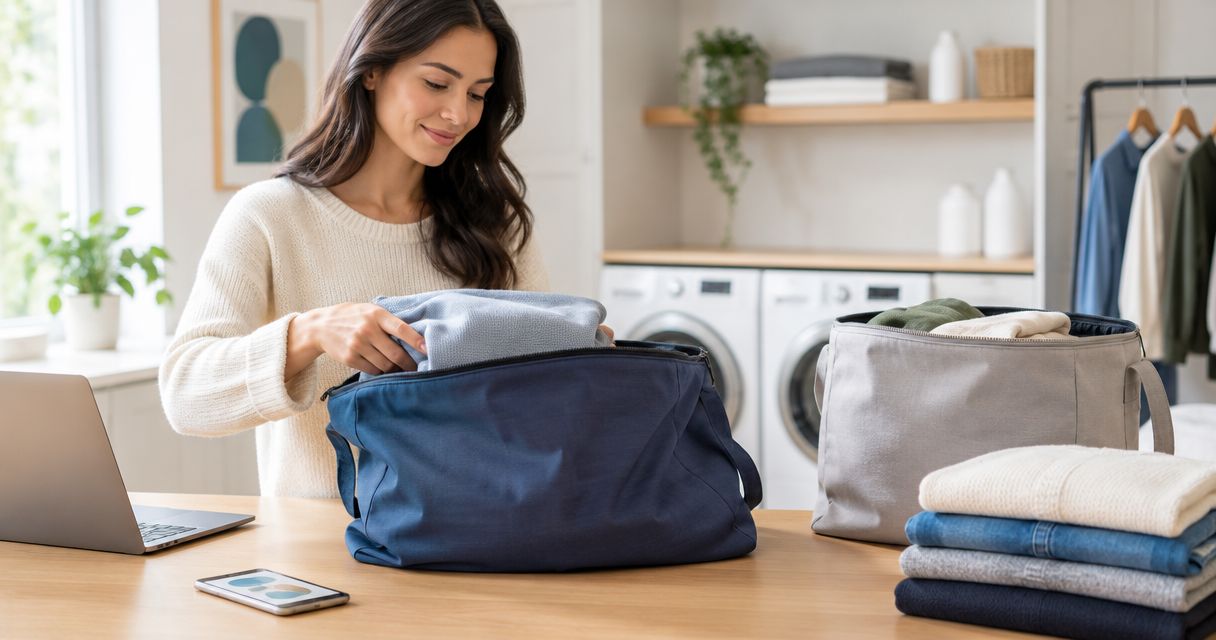
- Choose the bag. Confirm whether you must use a supplied bag or another approved container.
- Check eligible items. Identify anything that needs different care or separate handling.
- Follow filling rules. Ask how the bag must close and how overflow is treated.
- Confirm the scope. Establish what washing, drying, folding, pickup, and return arrangements cover.
- Check the order. Make sure the accepted bag count and any separate items match your understanding.
Do not treat an ordinary household bag, a laundry hamper, and a provider’s service bag as interchangeable. Ask which container determines the charge. That detail matters more than how much laundry you think the bag should hold.
Why this matters
Laundry interrupts evenings at home. At a gym, salon, or spa, it also competes with the work your customers actually came for. A clear billing unit helps you understand what you are handing over and what you will receive back.
But simple billing is not the same as a complete service agreement. You still need a collection plan, an agreed return arrangement, and instructions for items that do not belong in a standard wash-and-fold order.
Choose the service around your laundry routine, then check the billing method. Do not reverse that decision just because a bag sounds easier to picture than a weight-based order.
Bag-based, weight-based, and item-based billing compared
These methods measure different things. Use the table to understand the unit being charged, not to assume that any particular provider offers every method.
| Billing method | What determines the charge | Best for | Advantage | Limitation |
|---|---|---|---|---|
| Bag-based | Accepted bags under the provider’s filling rules | People who prefer counting approved bags | Gives you a visible unit to prepare before pickup | Bag size, closure rules, and exclusions still need checking |
| Weight-based | Laundry weight under the provider’s weighing rules | People comparing orders by weight | Separates the billing unit from the container | A bag count alone does not establish the billed weight |
| Item-based | Individual items under the provider’s item categories | Orders containing separately handled pieces | Makes the billing category explicit for each listed item | You must check how each item is classified |
For a useful 2026 comparison, describe the same order to each provider. Keep the items, pickup address, care requirements, and requested return arrangement consistent. Otherwise, you are comparing different services rather than different billing methods.
A household clothing order and a business towel collection are not interchangeable examples. Neither are routine washable clothes and items with special care instructions. Compare like with like before deciding which method fits.
What should count as a bag?
The service’s definition controls the order. Ask about the container itself, how it closes, and what happens when your laundry does not fit within the stated rules.
Bag size
A larger-looking bag does not establish an accepted order size. Ask for the approved bag specification or packing instructions rather than estimating from a photograph.
If you are changing providers, do not assume the previous provider’s bag is suitable. Get approval before filling it.
Closure and overflow
Ask whether the bag must zip, tie, or close another way. Then follow that instruction without forcing extra laundry into the container.
Also ask what happens to overflow. You need to know whether extra items require another accepted bag or a separate arrangement before collection, not after the order has left your home or business.
Items inside
A bag-based charge does not mean every fabric or household item belongs in that bag. Check garment care labels and disclose anything needing different treatment.
Do not put dry-clean-only clothes into a routine wash-and-fold order. Keep questionable items separate until the service confirms an appropriate next step; do not assume pickup laundry includes dry cleaning.
Why bag-based laundry totals vary
The bag count is only useful when you understand what each accepted bag represents. These are the details to confirm for your order:
- Approved container: Establish which bag or container the service accepts for billing.
- Filling rules: Confirm the required closure and the treatment of overflow.
- Item eligibility: Ask whether everything you plan to send belongs in the standard order.
- Handling requirements: Disclose care instructions before the provider accepts the laundry.
- Collection scope: Confirm how pickup and return fit into the order terms.
- Order frequency: Establish whether recurring service has different arrangements from an individual booking.
Treat these as questions, not automatic extras. A provider’s answer establishes the terms; the words per bag do not answer them on their own.
For business laundry, add a separate question: does the proposed billing method apply to your towel service? Do not carry household assumptions into a commercial inquiry.
How should a household plan a bag-based order?
Start with the clothes you actually want washed, dried, and folded. Keep items needing separate decisions out of the routine order until you have checked their suitability.
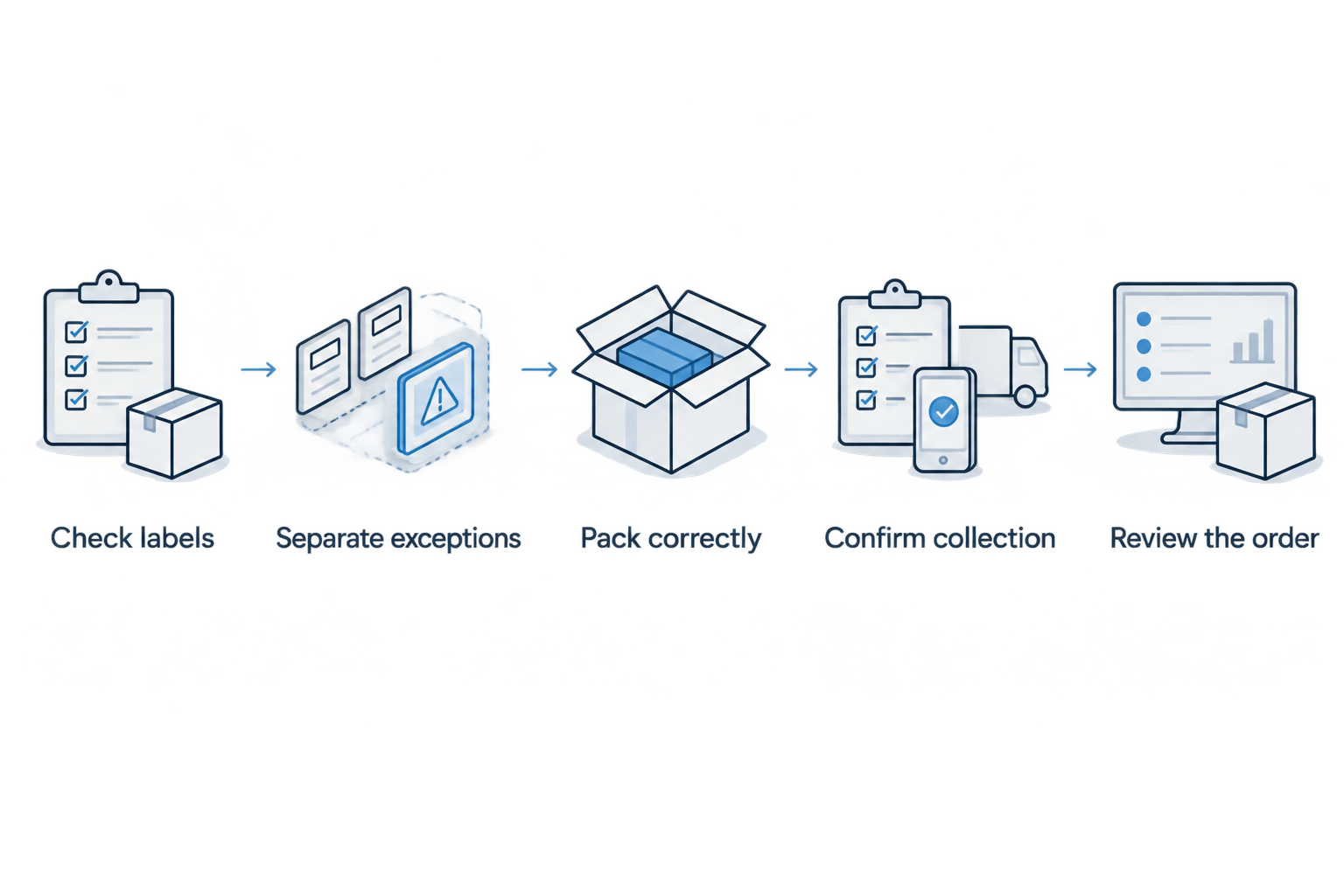
Then work through this sequence:
- Check labels. Identify care instructions before packing.
- Separate exceptions. Set aside items that need clarification.
- Pack correctly. Use the approved container and follow closure instructions.
- Confirm collection. Agree on the handoff location and return arrangements.
- Review the order. Check the accepted bags and any separately handled items.
Keep the first order straightforward. You do not need to guess how many garments represent a standard bag or compress clothing to imitate an example you saw elsewhere.
For your 2026 household routine, record the accepted bag count alongside what you sent. That gives you a personal reference for future bookings without pretending every household produces the same laundry.
How should a business plan recurring towel service?
Start with the work the towels support. A gym needs towels around member use; a salon or spa needs them around appointments. An Airbnb host needs a plan that matches the property’s turnover requirements.
For business laundry, the collection and return plan matters as much as the billing unit. A clear bag definition does not tell you when clean towels return or which items the arrangement covers.
Give the provider a practical brief:
- Business type: Explain whether you run a gym, salon, spa, or rental property.
- Laundry description: Identify the towels or other washable items you want assessed.
- Usage pattern: Explain when used laundry builds up and clean stock is needed.
- Pickup details: State the address, access instructions, and handoff contact.
- Service questions: Ask about billing, recurring scheduling, and accepted items.
Keep household wash-and-fold and commercial towel service as separate inquiries when their needs differ. Do not assume a business order uses household bags or household terms.
Summa Laundry is best suited to households seeking laundry pickup and local businesses seeking recurring commercial towel service. Confirm the order-specific terms before choosing a schedule, including the billing method for business towels and the packing instructions for household clothes.
For a 2026 business plan, describe your actual operating pattern rather than requesting “regular service” without further detail. Clear requirements give the provider something specific to address.
What should you confirm before booking locally?
Give the full pickup address, not just the nearest city. If you are searching in Suwanee, Snellville, Grayson, or Loganville, ask for confirmation against that address and your household or business requirements.
Home and business pickup in Buckhead is confirmed in the client’s service information. You should still confirm the arrangements for your address and requested order rather than treating city coverage as a promise about a particular collection time.
Use a short message:
Please confirm the approved bag, filling rules, accepted items, pickup and return arrangements, and billing terms for my address. This is a household wash-and-fold order or a recurring business towel-service inquiry.
Delete the description that does not apply before sending. Add any care requirements or access instructions the provider needs to answer accurately.
You can contact Summa Laundry to discuss the appropriate service. Ask for household pickup or commercial towel service explicitly; neither request is a self-service laundromat or dry-cleaning booking.
Is bag-based pricing better than paying by weight?
Bag-based billing is best for people who prefer preparing and counting approved bags. Weight-based billing uses a different measure, so a bag count alone cannot establish which arrangement suits your order better.
Compare the complete terms for the same laundry. Include accepted items, care requirements, collection arrangements, and how exceptions are handled—not just the name of the billing method.
Can I put towels and clothes in the same bag?
Do not assume that towels and clothes belong in the same bag under every service’s rules. Ask about item eligibility and any separation requirements before packing them together.
A business towel order deserves its own service discussion. Describe the items and recurring requirements rather than treating it as a larger household clothing order.
Does a full bag guarantee a better deal?
A full bag does not establish better value unless it follows the provider’s filling rules and contains accepted items. Overpacking is not a substitute for understanding the terms.
Choose a collection routine that fits your needs. Waiting to fill a bag is not useful if you need the clothing back sooner or your business needs clean towels before then.
FAQ
What does bag based pricing wash and fold mean?
Bag based pricing wash and fold means accepted bags are the billing unit rather than laundry weight. Confirm the approved container, filling rules, and included service before booking.
How much laundry can I put in a wash-and-fold bag?
You can put in the amount allowed by the provider’s bag and closure rules. Do not use a generic garment count as a substitute for those instructions.
Does bag-based laundry include pickup and delivery?
Bag-based billing alone does not establish pickup and delivery terms. Confirm collection and return arrangements as part of your order.
Can I send dry-clean-only clothes in my laundry bag?
Do not send dry-clean-only clothes as routine wash-and-fold laundry. Keep them separate and follow their care instructions.
Can a gym or salon use the household bag rate?
A gym or salon should confirm commercial towel-service billing separately. Household bag terms do not establish the arrangement for a recurring business order.
Can Summa Laundry handle household and business pickup in Buckhead?
Summa Laundry offers home and business pickup in Buckhead. Confirm the arrangements for your address and whether you need household wash-and-fold or recurring commercial towel service.
What should I check before booking laundry pickup in 2026?
Before booking laundry pickup in 2026, confirm accepted items, bag rules, billing terms, and pickup and return arrangements. Give the provider your address and any special care requirements.
One last thing
A consistent bag is more useful than a tightly packed bag. For household laundry, keep a record of what you sent and how the service accepted it. For business towels, keep a separate record of collections and returns so you can discuss the routine clearly.
Use those records when reviewing your 2026 service needs. The goal is not to fit the most fabric into a container; it is to stop laundry from disrupting your home or business while understanding the order you have booked.