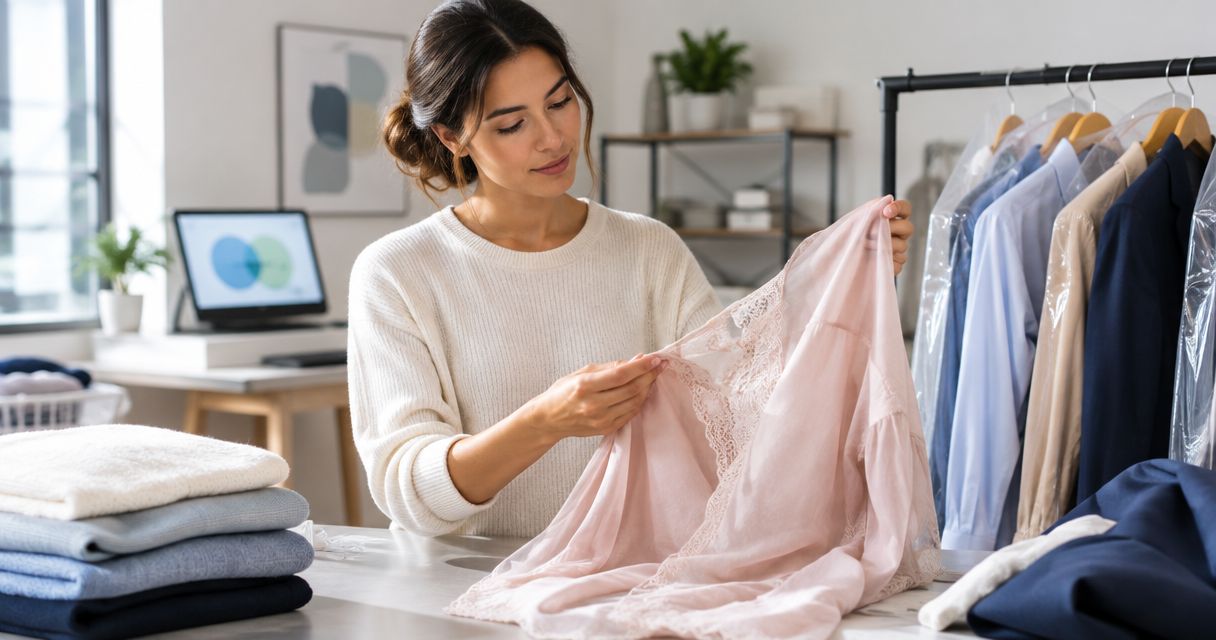
Wash and fold can handle some delicates when the care label permits washing and the provider agrees to the required washing and drying methods. Keep dry-clean-only clothes out of a standard wash-and-fold bag; a delicate wash cycle is not a substitute for dry cleaning. This 2026 guide explains what to send, what to separate, and what to confirm before pickup.
- Can wash and fold handle delicates? Yes, when garment labels and the provider’s washing and drying methods match.
- Keep dry-clean-only clothes separate from standard wash-and-fold laundry.
- Summa Laundry offers household wash-and-fold pickup and recurring commercial towel service; confirm special-item acceptance before booking.
- For households and businesses, sort by care requirements rather than appearance or fabric name alone.
Can wash and fold handle delicates and dry-clean-only clothes?
Washable delicates need confirmed handling. Dry-clean-only garments need a separate cleaning route. A provider accepting ordinary laundry does not establish that it accepts hand-wash items, flat-dry garments, embellished clothing, or structured jackets.
Use the care label to make your first decision. Then check whether the provider can follow the entire instruction, including drying—not just the washing step.
| Care requirement | Suitable route | Best for | Benefit | Limitation |
|---|---|---|---|---|
| Machine washable, with compatible drying instructions | Standard wash and fold, after acceptance is confirmed | Routine household clothing and washable business textiles | Removes washing and folding from your workload | Standard handling must still match the label |
| Gentle wash, hand wash, or special drying | Provider-approved special handling or label-compliant care at home | Washable items needing individual attention | Preserves a washing option when the required method is available | Do not assume ordinary wash and fold includes it |
| Dry clean only | A cleaner accepting that garment and its care requirements | Clothing labeled for dry cleaning | Keeps the item out of an unsuitable water-wash process | Requires a separate arrangement |
For local pickup, Summa Laundry offers wash-and-fold laundry and recurring commercial towel service. Ask about a delicate item before including it in either service.
Why this matters
The wrong decision happens before the machine starts: an item needing separate treatment gets mixed into a routine bag. Once everything is packed together, a short booking note is easy to make too broad or unclear.
Your useful rule for 2026 is simple: send routine laundry together; hold exceptions until the handling is agreed. You keep the convenience of pickup without treating every fabric, trim, and drying instruction as interchangeable.
That matters at home and at work. A washable gym towel and a decorative spa robe can look equally ready for laundry while requiring different care.
Machine-washable delicates: confirm washing and drying
A delicate appearance does not automatically rule out wash and fold. Some lightweight garments allow machine washing. The label—not how expensive, soft, or thin the garment feels—sets the starting point.
Read the full instruction. A garment that permits gentle machine washing but requires flat drying needs a provider that accepts both requirements. Approval to wash it does not mean approval to tumble dry it.
Before sending a washable delicate, confirm:
- Whether the provider accepts that item and its care label.
- Whether the required wash cycle and temperature are available.
- Whether the drying instruction can be followed.
- How to identify the item and communicate its instructions.
- Whether it belongs in a separate bag under the provider’s packing process.
A mesh bag does not change the garment’s care requirements. It can help contain small washable items, but it cannot make an unsuitable wash or drying method appropriate. Follow the provider’s instructions rather than assuming your packing method guarantees special treatment.
Hand-wash and flat-dry items: ask before packing
Hand washing and a machine’s delicate cycle are not interchangeable instructions. If the label says hand wash, ask whether the provider accepts hand-wash garments and how that service is arranged.
The same applies to drying. Flat drying, line drying, and tumble drying describe different methods. Do not reduce them all to a general request for gentle care.
For households, hold these items outside the routine bag until you have an answer. For salons, spas, and accommodation businesses, identify exceptions before they enter the shared laundry collection point.
If a provider does not offer the required handling, keep that item out of the order. You can still send the rest of the suitable laundry. One special-care garment does not need to stop the entire pickup.
Dry-clean-only clothes: use a separate cleaning route
Do not include dry-clean-only clothing in a standard wash-and-fold order. A cold wash, a protective bag, or a low-heat setting does not replace the cleaning method specified on its label.
Dry cleaning is a different process from ordinary water-based laundering. A dry-clean-only label is not an invitation to test whether a garment survives a gentle wash.
Separate these clothes before pickup and arrange care with a cleaner that accepts them. Describe unusual trim, construction, visible damage, or staining when you inquire. Ask about the whole garment rather than requesting a method based only on its outer fabric.
If you need a separate local option, use the dry cleaners in Suwanee guide as a starting point, then confirm garment acceptance directly. Do not assume a laundry pickup booking also includes dry cleaning.
Why delicate-item handling varies
In 2026, choose a service by the care it can actually provide—not by whether its name includes laundry, pickup, or delivery. These factors determine whether an item fits an ordinary order:
- Care-label instructions. Washing and drying directions establish the methods you need to confirm.
- Fabric and construction. Linings, shaping, and mixed materials make the whole garment relevant, not just the main fabric.
- Trim and decoration. Beads, attached ornaments, lace, and other details require attention when checking suitability.
- Condition and stains. Loose seams, existing damage, or an unidentified stain warrant a discussion before processing.
- Provider capabilities. Acceptance of routine wash and fold does not establish acceptance of hand washing or special drying.
These are screening factors, not a substitute for the label. A plain-looking garment can require dry cleaning, while a delicate-looking item can permit washing. Avoid sorting by appearance alone.
How should I prepare delicates for laundry pickup?
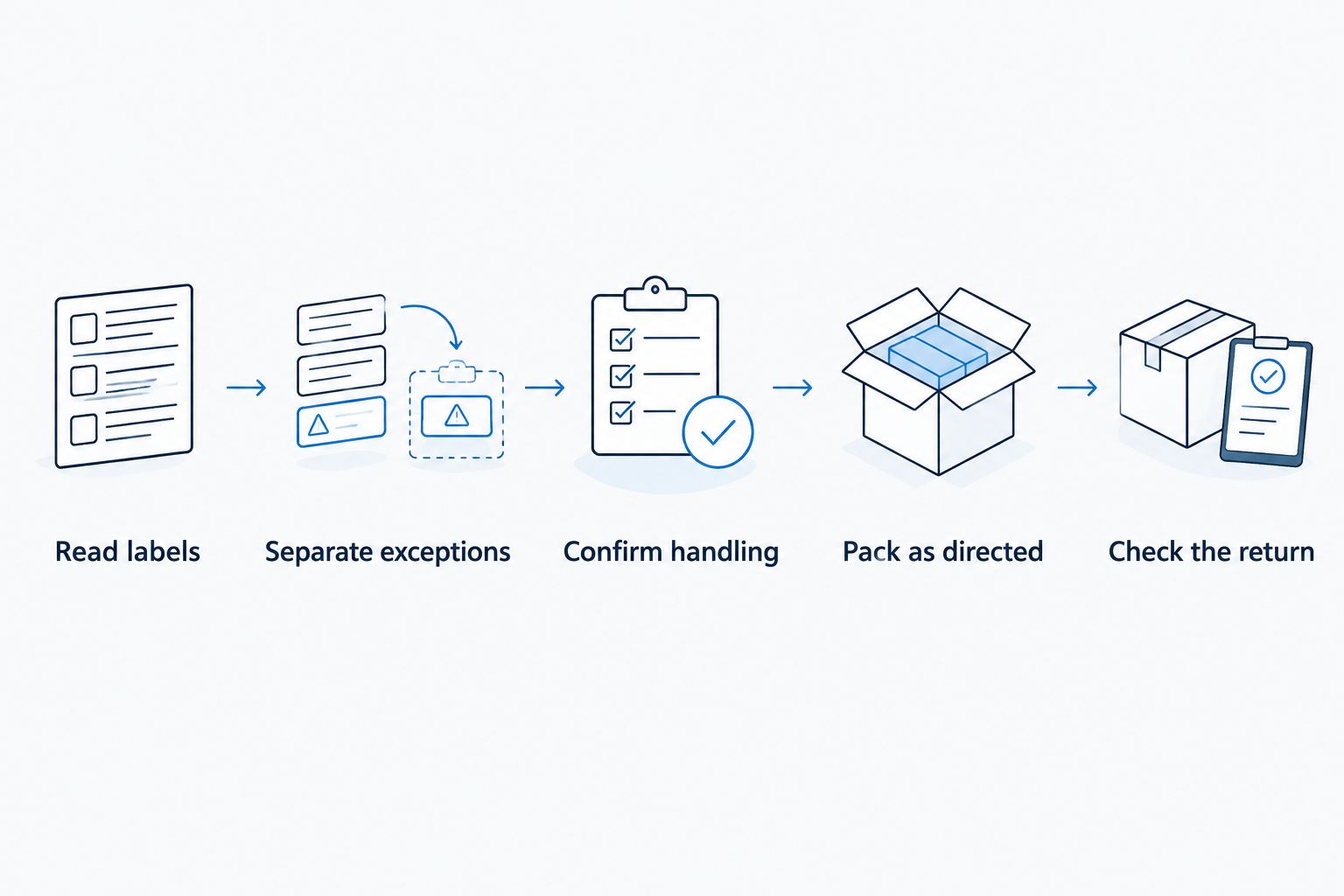
Use this 2026 packing sequence before you close the bag. The goal is to remove ambiguity, not to write a long list of exceptions after everything is mixed together.
- Read labels. Check both washing and drying instructions on each questionable item. Do not use the care instructions from a similar garment as a substitute.
- Separate exceptions. Keep dry-clean-only, hand-wash, and special-drying items outside the routine load while you confirm acceptance.
- Confirm handling. Ask about the specific method the item needs. A general question about accepting delicates leaves too much unresolved.
- Pack as directed. Follow the provider’s instructions for accepted exceptions. Keep approved special-care items identifiable in the way the provider requests.
- Check the return. Inspect accepted delicate items when they come back. Raise any concern promptly and retain the garment’s care label information.
This sequence works for a household basket or a business collection area. Set aside uncertain items before the pickup bag becomes the default destination for everything.
A photo of the care label can make an inquiry clearer. Describe the item as well, especially when decoration, lining, or existing damage is part of the question. Do not treat sending a photo as confirmation that the item has been accepted.
What should households ask before booking?
Ask whether the provider accepts the item, can follow its drying instruction, and needs it packed separately. Those questions are more useful than asking whether the team is careful with clothes.
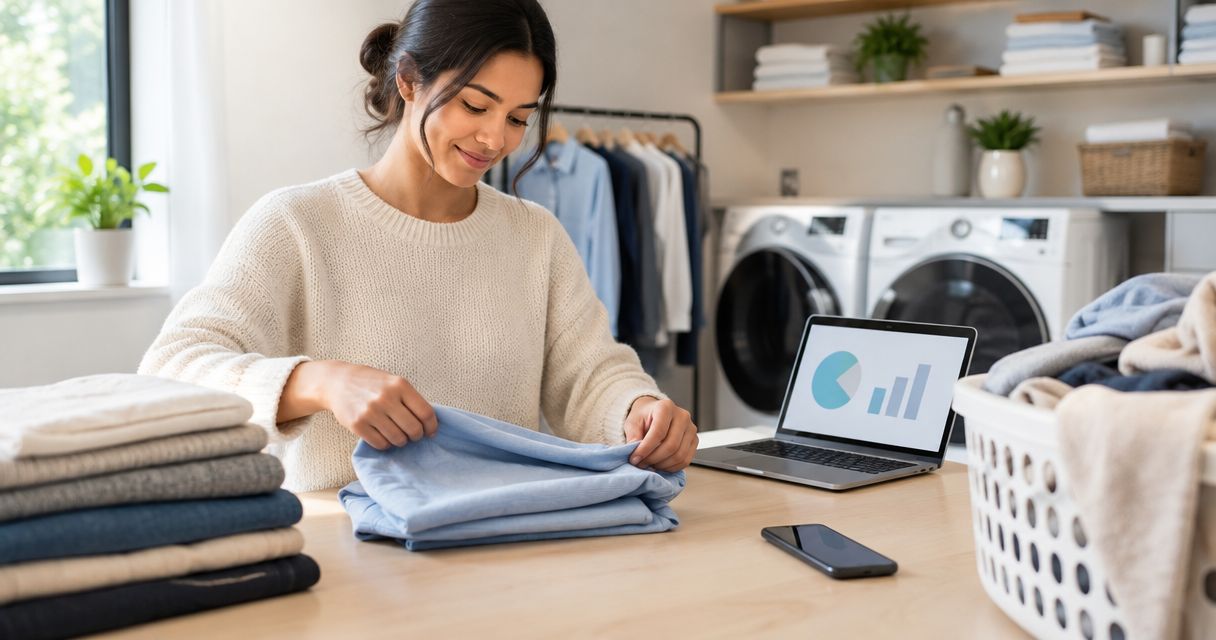
For your 2026 household routine, outsource the repeatable load first. Keep uncertain garments aside rather than delaying ordinary washable clothing while you resolve every exception.
For example, if your laundry contains everyday shirts plus a top labeled for flat drying, confirm the top separately. Do not attach a blanket low-heat request and assume it satisfies the flat-dry instruction.
If a label is missing or unreadable, avoid guessing from the fabric’s feel. Check the manufacturer’s care information or ask a qualified cleaner to assess the item before selecting a process. The convenient choice is the one that fits the garment—not simply the next available collection.
What should businesses keep out of routine towel pickup?
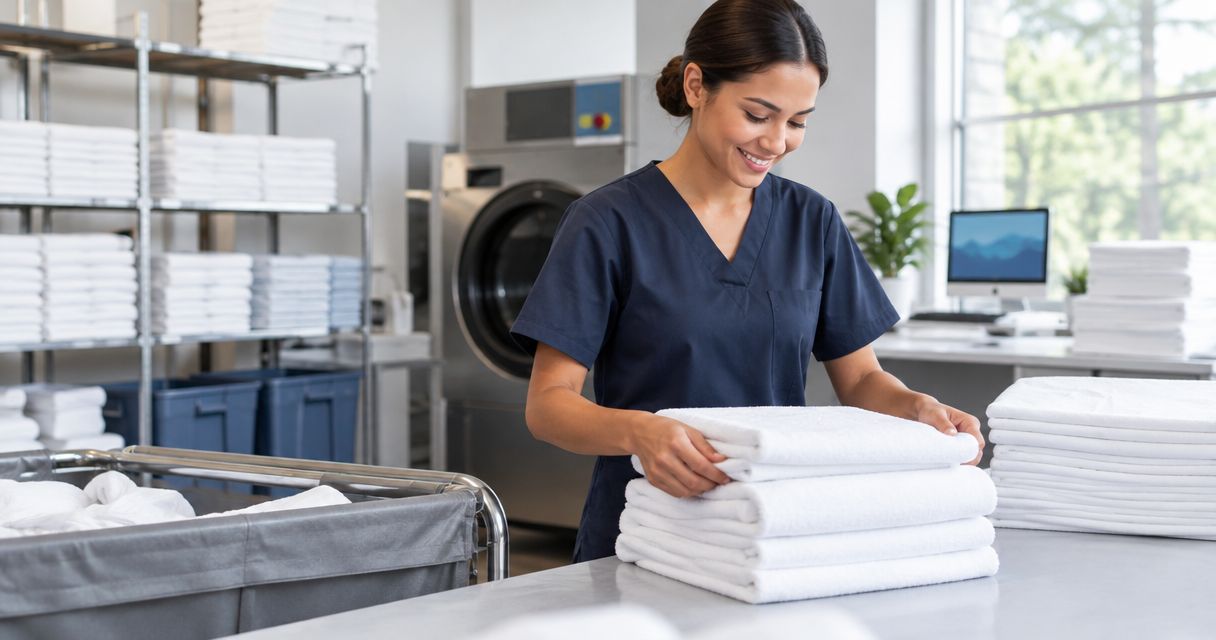
Keep personal clothing, unidentified textiles, and items with care requirements outside the agreed towel process out of the collection bag. A recurring pickup works better when staff know what belongs in it.
For gyms, salons, and spas, start with the towel types you actually use. Check their labels and describe their use when discussing service. Do not assume a decorative hand towel, treatment textile, and workout towel all need identical handling.
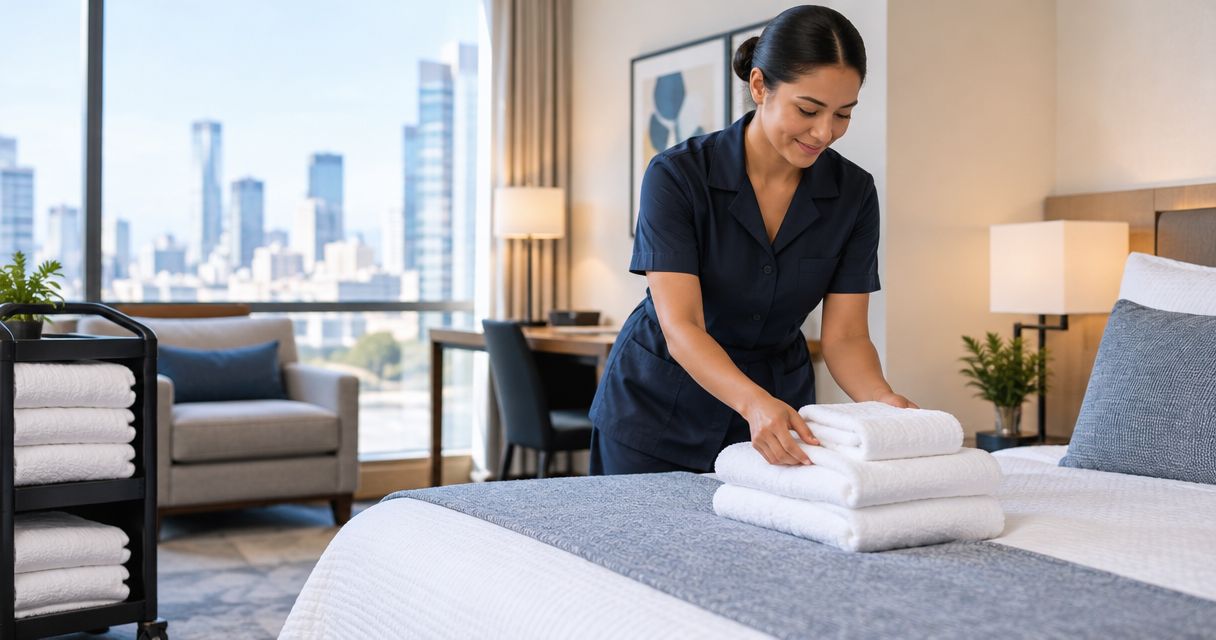
For Airbnb hosts and property managers, separate guest clothing and special-care decorative items from routine business laundry. Confirm the scope of the service before adding bedding, robes, or other textiles to a towel order.
Assign someone to check the collection point before pickup. Ask staff to flag damaged items, unusual stains, or anything without clear care instructions instead of hiding exceptions inside the regular bag.
Summa Laundry suits households seeking wash-and-fold pickup and local businesses seeking recurring towel service. Confirm delicate-item handling separately; routine laundry service is not blanket approval for every textile.
How do households and businesses choose the right next step?
For a household, the next step is to book pickup for accepted washable laundry and resolve special-care items before packing. For a business, inquire about towel service and explain which textiles enter the recurring collection.
The local booking priorities are practical: service address, accepted items, collection instructions, and the process for exceptions. Households and businesses in Suwanee, Snellville, Grayson, Loganville, and Buckhead should confirm those details when arranging service.
The benefit is less laundry work on your schedule. The trade-off is that you must identify and communicate special requirements before collection. Do not expect pickup convenience to remove the need for sorting.
Arrange the right laundry pickup
Book household wash-and-fold pickup or inquire about recurring commercial towel service.
Can I send silk or wool with regular laundry?
Silk or wool alone does not establish the correct cleaning method. Read the item’s label and confirm that the provider accepts its full care requirements before adding it to regular laundry.
Do not treat a fabric name as permission to wash. Different garments made from the same fiber can have different construction and care instructions.
Does cold water make dry-clean-only clothing safe to wash?
Cold water does not make dry-clean-only clothing suitable for standard wash and fold. Temperature is only part of the process; water exposure, agitation, drying, and garment construction also matter.
Keep the item separate and use the cleaning route specified on its label. A colder setting is not a replacement for that instruction.
Should I send delicates with commercial towels?
Send delicates with commercial towels only when the provider explicitly accepts the items and the required handling. Do not assume a recurring towel collection includes unrelated special-care textiles.
Your 2026 business checklist should identify accepted textiles, excluded items, and who checks the bag. A clear collection rule prevents staff from making a different decision on every shift.
FAQ
Can wash and fold handle delicates without damaging them?
Wash and fold can handle accepted washable delicates when the process matches their care labels, but that is not a guarantee against damage. Confirm both washing and drying requirements before sending the item.
Can I put dry-clean-only clothes in a laundry pickup bag?
Keep dry-clean-only clothes out of a standard wash-and-fold bag. Arrange a separate cleaning route unless a provider explicitly offers and accepts the required service.
Does a mesh laundry bag make delicate clothes safe for wash and fold?
A mesh bag does not make an unsuitable cleaning method safe. The item must still be accepted for washing and drying according to its care label.
Can I request flat drying instead of tumble drying?
Ask whether the provider offers flat drying before booking. Do not assume a note requesting low heat is equivalent to the garment’s flat-dry instruction.
Does Summa Laundry provide dry cleaning?
Use Summa Laundry for its stated wash-and-fold pickup and commercial towel services, not as a substitute for a dry cleaner. Keep dry-clean-only garments separate from standard wash-and-fold laundry.
Can a salon include robes in its recurring towel pickup?
Include robes only after the provider confirms that they are accepted and can receive their required care. A towel-service arrangement does not automatically cover every textile used by a salon or spa.
What should I do if a garment has no readable care label?
Hold the garment out of the routine laundry bag rather than guessing. Check the manufacturer’s care information or consult a qualified cleaner before selecting a cleaning method.
One last thing
Check the drying instruction before you check the pickup calendar. A garment can permit washing and still be unsuitable for the drying method included in a routine order.
Keep one clearly designated place for laundry exceptions at home or work. When a label raises a question, put the item there—not in the pickup bag. You can send the ordinary load without gambling on the unusual item.